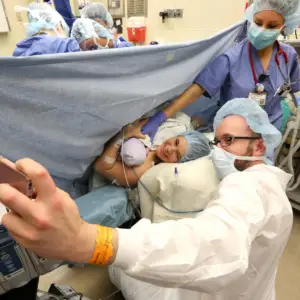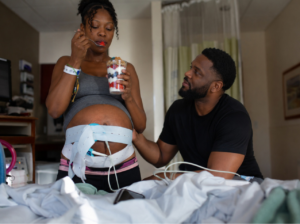
The moment your baby is born is one you’ve probably imagined for months. But what surprises many parents is that birth isn’t actually over. While you’re soaking in those first cuddles, your care team is still hard at work caring for both you and your baby. Understanding what happens during those first 90 minutes can help you stay present instead of wondering what’s happening around you.
As a birth doula, I spend a lot of time helping families understand what happens once their baby arrives. Knowing what to expect during these first moments can reduce anxiety, help you feel more confident, and allow you to stay present during an incredibly meaningful transition.
The Golden Hour and Meeting Your Baby
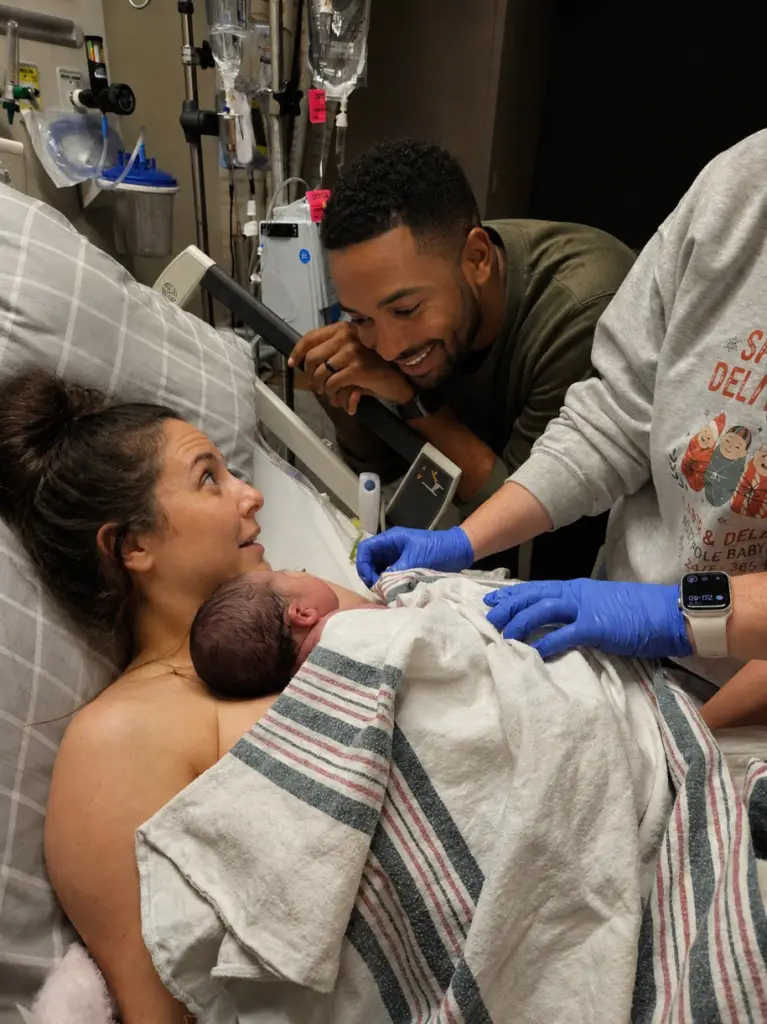
One of the most special parts of the first 90 minutes after birth is the Golden Hour. If your baby is healthy and you’re both stable, many hospitals now prioritize uninterrupted skin-to-skin contact during your baby’s first hour of life, often called the Golden Hour, whenever possible. I have watched countless parents relax the moment they feel their baby against them. Skin-to-skin contact helps regulate a newborn’s temperature, heart rate, and breathing while encouraging bonding.
During this time, delayed cord clamping may also take place. Many providers wait a short period before clamping and cutting the umbilical cord, allowing additional blood to transfer from the placenta to the baby. As part of my birth support, I help families understand these options before labor so there are fewer surprises after delivery.
What Happens While You Hold Your Baby
Even while you’re soaking in those first cuddles, your care team continues working. During the 90-minute period after birth, you will still experience less intense contractions as the placenta still needs to be delivered. This usually happens within minutes after the baby is born. Many parents are surprised by how quick and routine this stage can be.
Once your placenta comes out, your provider will firmly press on your belly for a fundal check to ensure your uterus has clamped down and look between your legs to assess your bleeding. These checks happen every 10 – 15 minutes during the first hour, then every 30-60 minutes while youre still in labor & deliver. Once you go to postpartum, fundal checks are usually every 4 hours.
After the placenta is delivered your provider will also check for any tearing that may require stitches or perineal repair. If repairs are needed, I often remind families to keep focusing on their baby and ask questions if they are unsure about what is happening. If you don’t have an epidural, numbing via lidocaine will be administered to the area. Once the area is numb, any necessary repairs can be completed, youll get cleaned with a wipe or warm water, then an ice pack is usually applied to reduce inflammation.
Newborn assessments, called APGAR tests are also performed at minute 1 and 5, often while keeping the baby close whenever possible. This test checks babys appearance, pulse, grimace or reflexes, activity and respiration.
The First Feeding and Early Recovery
Another important part of the first 90 minutes after birth is the first feeding. Whether you choose breastfeeding or bottle feeding, these early moments are an opportunity to begin learning your baby’s cues. It’s also completely normal if feeding doesn’t go perfectly right away. Some babies latch immediately, while others simply want to rest after the hard work of birth. Both can be completely normal. I frequently support parents as they navigate that first latch, adjust positions, and gain confidence.
Afterward
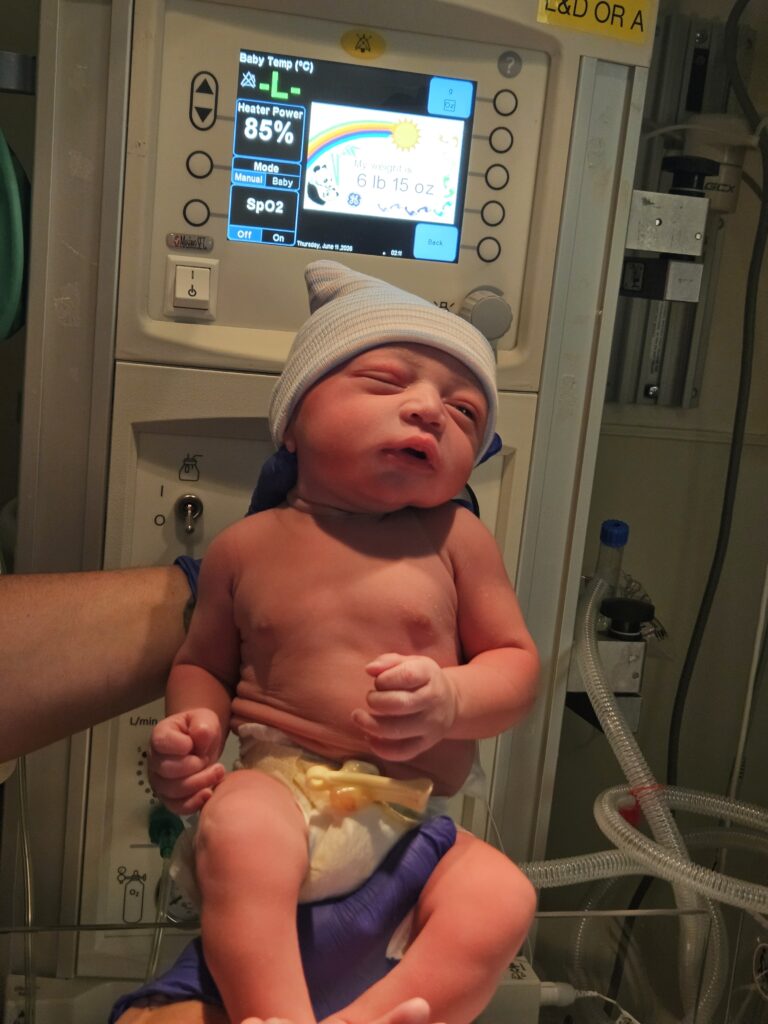
Shortly after the Golden Hour, or once the first 90 minutes have passed, depending on your hospital’s policies, is when babys are taken to get their weight and measurements. This usually all happens in the same room, so you can still see your baby the entire time. While on the warming table is also when they nurses will administer baby medications, if approved. These include vitamin k shot that is put in babys thigh and helps babys blood to clot. Eye ointment that dissolves into babys eyes and helps prevent certain serious eye infections that can be acquired during birth. You baby and your partner all receive matching bands that you keep on until you get home. Babys footprints are usually done during this time as well. Once baby is diapered, they can offer baby to dad for skin to skin time with him or swaddle baby to be held by either parent.
Partners often experience their own whirlwind of emotions during this time as well. Many are meeting their baby for the first time while simultaneously watching their loved one recover from birth. Don’t hesitate to ask questions, take photos, soak in the moment, and simply be present.
As a birth doula, I have seen how understanding the first 90 minutes after birth helps families feel calmer and more prepared. Those first 90 minutes aren’t just about medical care—they’re about welcoming a new life, beginning your journey as a family, and creating memories you’ll carry for years to come. Strong birth support during this time can make a meaningful difference in how parents experience their first hours together.
If you’re preparing for the first 90 minutes after birth and want compassionate birth support, I’d love to help here at Birthing Peace.