The postpartum period is a transformative and often overwhelming time for new mothers. Between the sleepless nights, fluctuating emotions, and physical recovery, it’s a lot to navigate. As a mother and doula, I understand these challenges firsthand, and I’m passionate about offering support that truly makes a difference. One way to nurture your body and ease the transition is through placenta encapsulation. At Birthing Peace, I offer placenta encapsulation services with care and intention, helping you feel nourished and empowered as you adjust to life with your new baby.
What Is Placenta Encapsulation?
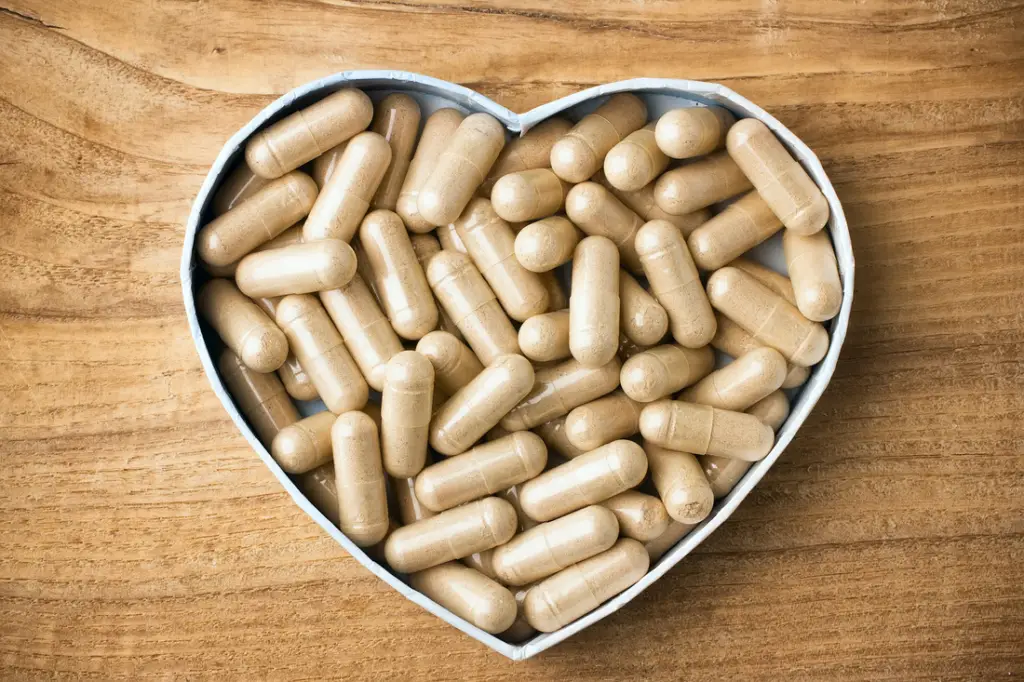
Placenta encapsulation is the process of preparing your placenta—the incredible organ that
sustained your baby during pregnancy—and transforming it into easy-to-ingest capsules. While
the practice might seem unconventional at first, it has roots in traditional medicine and has
been practiced for centuries in various cultures. The placenta contains nutrients, hormones, and other compounds, which is one reason some mothers choose to have it encapsulated. However, research has not established that consuming placenta capsules provides measurable postpartum health benefits.
Exploring the Potential Benefits of Placenta Encapsulation
While every woman’s experience is unique, many mothers report positive effects from placenta
encapsulation. It’s important to note that research on placenta encapsulation is still ongoing,
and the benefits are primarily anecdotal. However, many women, including myself, found it
supportive in the following ways:
- Increased Energy Levels: Postpartum fatigue is a common and often overwhelming
experience. Many mothers report feeling a boost in energy after consuming placenta
capsules, making it easier to manage daily tasks and care for their newborn.
- Emotional Balance and Mood Regulation: The postpartum period can be a rollercoaster
of emotions due to hormonal fluctuations. Some women find that placenta
encapsulation helps stabilize their mood and lessen the intensity of postpartum blues or
mood swings.
- Support for Milk Supply: Establishing a healthy milk supply is a priority for many
breastfeeding mothers. Some women have reported an increase in milk production after
taking placenta capsules, although more research is needed in this area.
- Nutrient Replenishment: Childbirth can deplete essential nutrients, particularly iron.
The placenta contains iron and other nutrients, leading some mothers to choose encapsulation in hopes of replenishing their bodies after childbirth. However, studies haven’t demonstrated that consuming placenta capsules significantly improves postpartum iron levels or recovery.
- Reduced Postpartum Bleeding: Some women find that placenta encapsulation helps lessen postpartum bleeding, although this is not a universally reported benefit.
- Hormonal Support: The placenta contains various hormones, including oxytocin (which aids in uterine contractions and milk let-down) and CRH (corticotropin-releasing hormone, which is involved in stress response). Consuming the encapsulated placenta may help regulate hormone levels during the postpartum period.
It’s crucial to remember that everyone is different, and there are no guarantees—but it’s worth exploring if you’re looking for a natural way to support your recovery. Placenta encapsulation is not a substitute for professional medical care, and it’s essential to discuss any concerns or health issues with your healthcare provider.
The Placenta Encapsulation Process
There are two common methods of encapsulation, and you can choose the one that feels right for you:
- Traditional Method: This method involves gently steaming the placenta before dehydration. This process is rooted in Traditional Chinese Method (TCM) principles, which emphasize balancing the body’s energy (Qi) and promoting healing. Steaming is believed to enhance the placenta’s therapeutic properties according to TCM.
- Raw Method: With this method, the placenta is dehydrated in its raw state, without steaming. Proponents of this method believe it preserves more of the placenta’s natural nutrients and hormones.
Both methods involve dehydration, but the Traditional Chinese Method (TCM) also includes steaming beforehand, which may help reduce certain bacteria through heat exposure. However, neither method has been proven to eliminate all potential pathogens or guarantee that placenta capsules are safe to consume.
Important Considerations Before Choosing Placenta Encapsulation
While placenta encapsulation can be a valuable tool for postpartum support, it’s essential to consider a few key points:
- Safety and Hygiene: I adhere to the highest safety standards and follow strict protocols for handling and processing placentas. Your placenta’s safety and your well-being are my top priorities.
- Infection Considerations: Placenta encapsulation carries potential infection risks. The CDC has documented a case involving GBS-contaminated placenta capsules and recurrent GBS infection in a newborn. Because of these concerns, I do not recommend encapsulation when GBS or signs of infection are present. I also assess other circumstances, including meconium exposure, before determining whether a placenta is suitable for processing. Steaming may reduce some bacterial contamination, but it cannot guarantee safety.
- Personal Choice: The decision to encapsulate your placenta is a deeply personal one. Take the time to research, reflect, and discuss it with your partner, family, and healthcare provider.
- Health Conditions: If you have any pre-existing health conditions or experience complications during labor or delivery, it’s crucial to consult with your healthcare provider before considering placenta encapsulation. Certain medical conditions, like infection or substance use, may make placenta encapsulation inadvisable.
- Storage: Proper storage of your placenta before processing is essential. I will provide you with detailed instructions on how to store your placenta safely until it can be picked up.
What’s Included in My Placenta Encapsulation Package?
My placenta encapsulation package is designed to provide comprehensive and supportive care. It includes:
- Placenta Pick-Up and Drop-Off: I will arrange for the safe and timely pick-up of your placenta from your birth location and its return to you after encapsulation.
- Placenta Preparation and Encapsulation: I will carefully prepare and process your
placenta using your chosen method, adhering to strict safety and hygiene protocols.
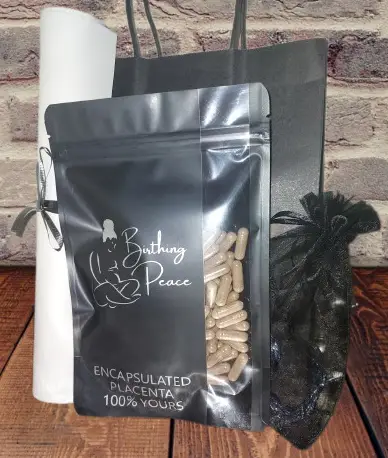
- Capsules: You will receive a supply of placenta capsules, typically enough for several
weeks of postpartum support.
- Detailed Postpartum Care Instructions: I will provide you with comprehensive
instructions on how to use your placenta capsules and other postpartum care
recommendations.
- Optional Keepsakes: I also offer the option of creating a placenta print, a beautiful and
unique keepsake of your baby’s life-giving connection, and a cord keepsake.
- Optional Tincture: a liquid extract made by steeping a portion of the placenta in high-proof
alcohol for several weeks. Some mothers choose this option for a more subtle and long-term use, potentially aiding with hormonal balance, energy levels, and emotional well-being during postpartum, menstruation and even into menopause.
Why Choose Birthing Peace?
At Birthing Peace, I’m not just here to provide a service, I’m here to support you. Placenta encapsulation is more than a process; it’s a way to honor the incredible work your body has done. I’ll handle everything with the utmost care and respect so you can focus on bonding with your baby and taking care of yourself. I am dedicated to helping you feel nurtured and empowered as you transition into motherhood. I am also a trained and experienced doula, offering both labor doula services and postpartum doula services in Delaware. I believe in providing holistic care that addresses your physical, emotional, and informational needs.
Considering Placenta Encapsulation?
Choosing how to care for yourself after birth is a personal decision, and you deserve clear information as you explore your options.
At Birthing Peace, I offer placenta encapsulation services in Delaware, with attention to preparation, handling, and your individual preferences. I’m happy to answer questions about my process, what your package includes, and the considerations to discuss with your healthcare provider before deciding.
Explore My Placenta Encapsulation Services
Because preparing for postpartum is about more than welcoming your baby. It’s about making sure you’re cared for, too!